Women's Wellness Education
The Kitchen Habit With Gelatin Grandmothers Never Fully Explained
Before diet culture took over kitchen counters, gelatin sat quietly in mixing bowls and simmering pots — tied to old ideas about fullness, skin, and joints. This is an educational look at where that habit came from and why some women are revisiting it.
What Quietly Changes Inside a Woman's Body
Long before anyone mentions a diet plan, several things are already shifting beneath the surface — often without a single obvious sign. Understanding them matters more than chasing another quick fix.
Collagen Production Slows Down
As the years pass, the body's natural collagen output gradually declines, which is often discussed in relation to skin elasticity and joint comfort. Ingredients like gelatin are frequently mentioned in this conversation because of their collagen-related protein content.
Satiety Signals Can Shift
The way the body signals fullness doesn't stay static. Hormonal rhythms and daily habits both play a role in how satisfied a meal actually feels, regardless of portion size.
Lean Body Composition Changes
Composition — not just the number on a scale — tends to shift gradually. Muscle-to-fat ratio evolves over time, which is why appearance and how clothes fit can change even without weight changing much.
Traditional Dieting Advice Wasn't Built for This
Most mainstream diet advice was designed around simple calorie math. It rarely accounts for the layered biological changes that many women experience, which is part of why the same old advice can feel like it stops working.
Metabolism Myths vs. What's Actually Understood
Diet culture is full of shortcuts and half-truths. Here’s a closer look at three common claims stacked against what’s more broadly understood today.
Eating less always leads to the results women expect.
Body composition, hormonal patterns, and satiety cues all influence outcomes — calorie counting alone rarely tells the whole story.
Metabolism is fixed and can’t be influenced by daily habits.
Sleep quality, nutrient intake, and consistent routines are commonly discussed as factors that interact with how the body manages energy over time.
Protein is only relevant for muscle-building, not everyday wellness.
Protein sources — including collagen-rich ingredients like gelatin — are often discussed in the context of satiety, skin appearance, and general nutrition habits.
A Simple Three-Part Way of Thinking About It
This isn’t a rigid program. It’s a way of reframing daily habits that many women find easier to stick with than another restrictive plan.
Notice the Pattern
Before changing anything, most women benefit from simply observing how hunger, energy, and skin feel across a normal week — no tracking apps required.
Reconnect With Simple Ingredients
Rather than reaching for another trend, some women look back toward simpler, traditional kitchen staples — gelatin among them — that were part of everyday cooking long before supplement aisles existed.
Build a Consistent Habit
Small, repeated actions tend to matter more than occasional dramatic changes. Consistency, not intensity, is the common thread in most sustainable routines.
A Tradition Older Than Modern Diet Culture
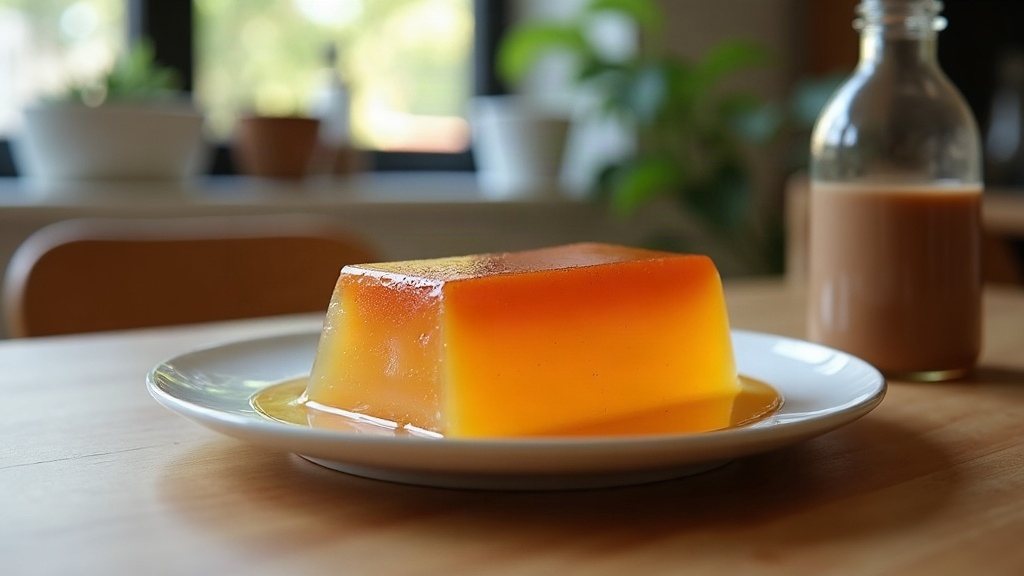
In many grandmothers’ kitchens, a pot of bone broth simmered for hours, eventually cooling into a wobbly, collagen-rich base used for soups, aspics, and simple desserts. Gelatin wasn’t a wellness trend back then — it was simply what you did with the parts of an animal that couldn’t go to waste. That practical habit, born out of necessity rather than marketing, quietly carried nutritional properties that modern conversations are only now revisiting through a different lens.
Insight: Long before capsules and powders, households relied on slow-cooked, collagen-rich ingredients like gelatin as part of ordinary cooking — not because of a headline, but because it was simply how food was made.
Six Everyday Signals Worth Paying Attention To
Changes in Hunger Cues
Feeling hungry again shortly after a full meal is a signal some women notice as satiety patterns shift over time.
Skin Feeling Less Supple
A change in skin's bounce or texture is often mentioned alongside natural shifts in collagen levels.
Joint Stiffness After Activity
Mild stiffness after everyday movement is something many women report noticing more as the years go on.
Shifts in Weight Distribution
Even without major weight change, where the body seems to hold onto weight can shift gradually.
Afternoon Energy Dips
A predictable slump in the early afternoon is a pattern many women describe, often tied to meal composition and sleep quality.
Nails Becoming More Brittle
Nails that chip or break more easily are sometimes brought up in conversations about protein and collagen intake.
What Some Women Have Shared About the Habit

These are individual accounts shared for illustrative purposes only. Names have been changed. Individual results may vary, and these testimonials are not a guarantee of any specific outcome.
Frequently Asked Questions
Hydrolyzed gelatin is gelatin that has been broken down into smaller protein fragments, which makes it easier to dissolve and mix into foods or beverages compared to traditional sheet or powdered gelatin.
No. This page is educational and does not claim that gelatin or any ingredient causes weight loss, fat burning, or any specific health outcome.
Collagen is the body’s most abundant structural protein, and its natural decline over time is commonly discussed in relation to skin, joints, and overall composition — which is why ingredients like gelatin come up in these conversations.
No strict diet is required. The content simply explores a traditional habit and encourages viewers to make informed choices with a healthcare professional if needed.
No. This content is for general educational purposes only and is not a substitute for professional medical guidance, diagnosis, or treatment.
It’s intended for women generally interested in wellness education, traditional food habits, and understanding body composition topics — not for any specific age group.
The video draws on culinary history and general wellness discussion points. It is presented for informational purposes and does not represent clinical claims.
Curious About the Full Story Behind This Habit?
Watch the complete educational video to see how a simple kitchen tradition connects to conversations about collagen, satiety, and everyday wellness habits.
Advertising Disclosure: This page contains sponsored content and affiliate links. We may receive compensation if you click on or make a purchase through links on this page. This helps support the content provided at no additional cost to you.
Content Disclaimer: The information provided on this page is for educational purposes only and has not been evaluated by the FDA. It is not intended to diagnose, treat, cure, or prevent any disease or health condition. Always consult a qualified healthcare professional before making changes to your diet, exercise, or wellness routine.
Results Disclaimer: Individual results may vary. Testimonials and examples featured on this page are not intended to represent or guarantee that anyone will achieve the same or similar results.
© 2026 amgpantheonif.com · All Rights Reserved · /contact/